How to Find Visa-Sponsored Jobs in the Netherlands
The Netherlands attracts international workers with its strong economy, English-speaking work environment, and quality of life. Many Dutch employers actively sponsor foreign talent when they cannot fill positions locally, particularly in technology, engineering, healthcare, and agriculture.
This guide explains which roles commonly offer visa sponsorship, how the Dutch work permit system functions, and what steps you should take to secure a sponsored position from abroad.
Understanding the Dutch work permit system
The Netherlands uses different permit types depending on your role and qualifications. The most common route for skilled workers is the highly skilled migrant scheme, which allows employers to sponsor foreign professionals for roles that meet specific salary requirements. These thresholds vary by age and change periodically, so check the official immigration service website for current figures.
Employers must hold recognition as a sponsor before they can hire you under this scheme. The government maintains a public register of recognized sponsors, which helps you identify legitimate opportunities. Your employer handles most of the application process, but you remain responsible for gathering personal documents and meeting health insurance requirements after arrival.
Other permit categories exist for seasonal work, scientific research, and intra-company transfers. Each has different requirements and processing approaches. Understanding which category fits your situation helps you target the right employers and prepare appropriate documentation.
Roles that frequently offer visa sponsorship
Technology companies across the Netherlands regularly sponsor software developers, data scientists, and IT infrastructure specialists. The country hosts numerous tech hubs and international companies that struggle to fill these positions with local talent alone. Backend and frontend developers with experience in modern frameworks find particularly strong demand.
Engineering roles in mechanical, electrical, and civil disciplines also appear frequently on sponsored job lists. Manufacturing firms, construction companies, and infrastructure projects need qualified engineers and often look internationally when local pipelines run short.
Healthcare professionals including nurses, doctors, and medical specialists can find sponsored opportunities, though you must first verify that Dutch authorities recognize your qualifications. The recognition process takes time, so start this well before applying for positions.
Agriculture and horticulture sectors sponsor workers for both skilled and seasonal roles. The Netherlands has a large greenhouse industry and food production sector that relies partly on international workers during peak periods.
Teaching positions at international schools sometimes include sponsorship, particularly for subjects where qualified teachers are scarce. Business roles in sales, marketing, and finance may offer sponsorship at multinational companies, though competition remains high.
Where to search for sponsored positions
Start with job platforms that filter specifically for visa sponsorship. Abroadium verifies employers and shows only positions with genuine relocation support, saving you time spent on applications that lead nowhere. General Dutch job boards like Nationale Vacaturebank and Indeed Netherlands also list opportunities, but you must carefully read each posting to confirm sponsorship availability.
Company career pages prove valuable when you target specific employers. Check the public register of recognized sponsors, then visit the careers section of companies in your field. Many large organizations state their sponsorship policies directly on their recruitment pages.
LinkedIn works well for the Dutch market, as recruiters actively use the platform. Set your location preferences to the Netherlands, use keywords like “visa sponsorship” or “relocation support” in your searches, and make your profile visible to recruiters. Join relevant professional groups where members share job leads.
Recruitment agencies specializing in international placement can connect you with employers, though quality varies. Research any agency before sharing personal information, and never pay upfront fees for job introductions.
Preparing your application materials
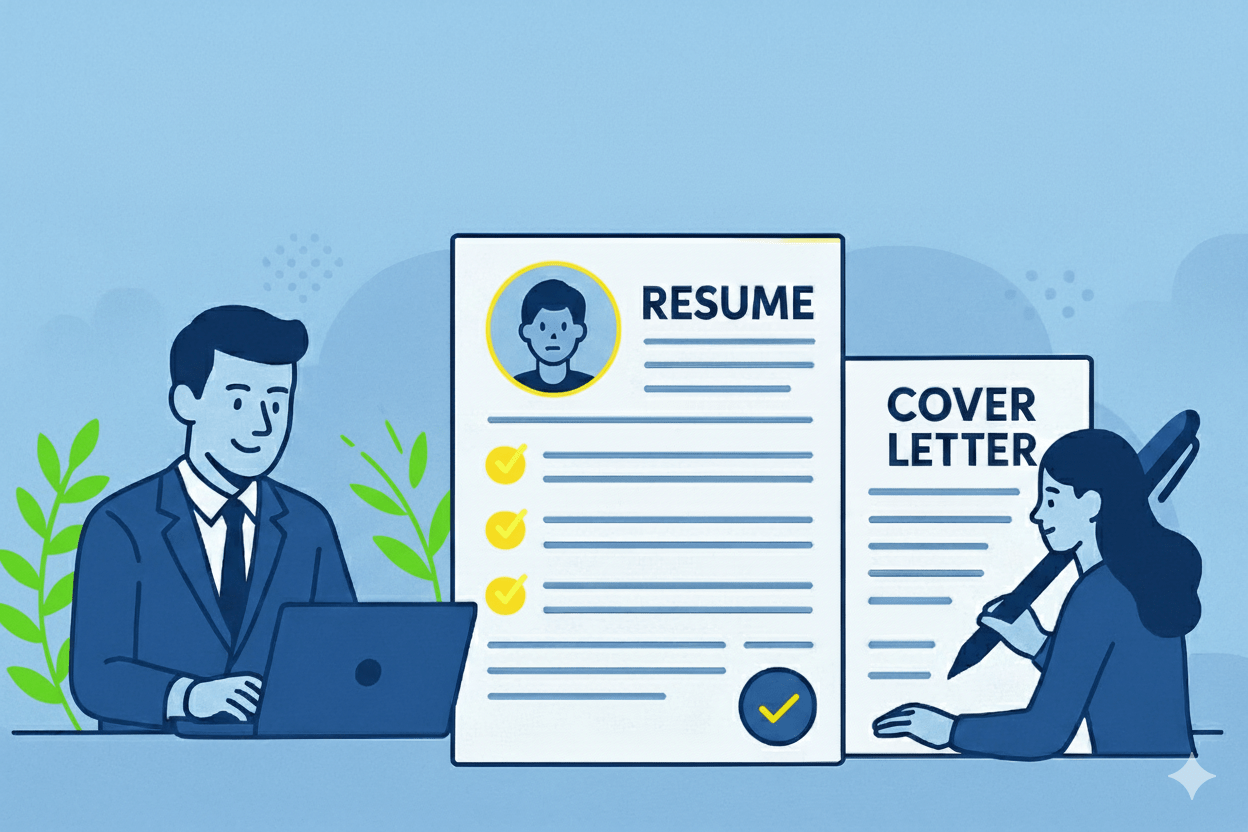
Dutch employers expect a clear, concise CV that focuses on relevant experience and measurable achievements. Keep your document to two pages maximum. List your work history in reverse chronological order, emphasize results rather than duties, and include specific technologies or methods you used in each role.
Your cover letter should explain why you want to work in the Netherlands and what value you bring to the specific company. Research the organization before writing, and mention particular projects or values that align with your background. Keep the tone professional but personable, as Dutch business culture values directness and authenticity.
Gather certified copies of your diplomas and transcripts. If your qualifications come from outside the European Union, you may need to have them evaluated for equivalence. This process takes time, so begin early. Some professions require registration with Dutch professional bodies before you can work legally.
Prepare references from previous employers who can speak to your skills and work ethic. International references are acceptable, but ensure contact information is current and that referees know they may be contacted.
Navigating the application process
Apply early in your job search timeline, as the entire process from application to arrival can span several months. When you find a suitable position, tailor your application to match the job description closely. Use keywords from the posting in your CV and cover letter, as many companies use applicant tracking systems that filter based on these terms.
Respond promptly to any communication from employers. Time zone differences can slow exchanges, so check your email regularly and reply within one business day when possible. If invited to interview, prepare thoroughly by researching common interview questions in your field and practicing your responses.
Video interviews are standard for international candidates. Test your technology beforehand, choose a quiet location with good lighting, and dress as you would for an in-person meeting. Prepare questions about the sponsorship process, relocation support, and team structure to show genuine interest.
After receiving an offer, review the contract carefully. It should specify your salary, benefits, start date, and the employer’s commitment to handle work permit sponsorship. Ask about relocation assistance, temporary housing support, and any probation period terms before signing.
Common mistakes to avoid
Many applicants waste time applying to companies that do not sponsor foreign workers. Always verify sponsorship availability before investing effort in an application. Look for explicit mentions in the job posting or check the recognized sponsor register.
Sending generic applications rarely succeeds in competitive markets. Employers can tell when you have used the same materials for multiple positions. Customize each application to demonstrate specific interest in that company and role.
Underestimating the importance of English proficiency hurts many candidates. While the Netherlands has high English usage, employers still expect clear communication skills. If your English needs improvement, invest time in practice before applying to professional roles.
Failing to research Dutch work culture can lead to interview missteps. Dutch business environments value directness, punctuality, and egalitarian team structures. Demonstrating awareness of these norms during interviews shows cultural adaptability.
Neglecting to ask about the sponsorship timeline creates uncertainty. Each application involves multiple steps and waiting periods. Ask employers about their typical timeline so you can plan accordingly and avoid accepting other offers prematurely.
After securing a job offer
Once you accept an offer, your employer begins the permit application process. They submit documentation to the immigration service on your behalf. You will need to provide a valid passport, recent photographs, proof of qualifications, and possibly a certificate of conduct from your home country showing no criminal record.
Arrange health insurance before you arrive, as coverage is mandatory in the Netherlands from your first day of residence. Your employer may offer guidance, but you remain responsible for enrollment. Research different insurance providers and coverage levels to find appropriate protection.
Plan your housing search early. The Dutch rental market can be tight, particularly in major cities. Some employers offer temporary accommodation or relocation services to help you settle. Join expat forums and housing groups to learn about neighborhoods and rental processes.
Register with the local municipality within a set period after arrival. This registration gives you a citizen service number needed for banking, healthcare, and other essential services. Bring your passport, work permit, rental contract, and birth certificate to your registration appointment.
Key takeaways
- Focus your search on roles in technology, engineering, healthcare, and agriculture where sponsorship is more common
- Use the public register of recognized sponsors to identify legitimate employers
- Customize every application and clearly demonstrate your value to the specific employer
- Start qualification recognition and document preparation well before applying
- Ask detailed questions about sponsorship timelines and relocation support during interviews
- Plan for housing, insurance, and municipal registration before you arrive
Finding a visa-sponsored job in the Netherlands requires focused effort and careful preparation, but the opportunities exist for qualified professionals who approach the search strategically. Browse current verified openings with employers who provide genuine sponsorship and relocation support at Abroadium.
Image: iulian_ursache on Pixabay
This article is general information, not legal or immigration advice. Rules change, so always confirm current requirements with the official government source or a licensed professional.