Skilled Trades Jobs in Australia with Visa Sponsorship
Australia faces a shortage of skilled tradespeople across construction, engineering, manufacturing and technical services. Employers actively sponsor qualified international workers to fill these gaps, making it a strong opportunity for tradespeople who want to work abroad.
This guide explains which skilled trades are in demand, what visa pathways exist, how to find employers who sponsor, and what steps you need to take to apply successfully.
Why Australia needs skilled tradespeople
Major infrastructure projects, housing construction and an aging workforce have created demand for qualified tradespeople. Regional areas especially struggle to find enough workers, and the government has made it easier for employers to sponsor international candidates in technical roles.
Skilled trades sit on occupation lists that determine visa eligibility. If your trade appears on these lists and you meet the qualifications, you can apply for employer-sponsored or skilled migration visas. The lists change regularly, so check the official Australian government website for the current version.
Common trades in demand include electricians, plumbers, welders, carpenters, fitters, mechanics, boilermakers and metal fabricators. Healthcare technical roles such as dental technicians and medical equipment technicians also appear frequently.
Main visa pathways for skilled trades
Several visa options exist for tradespeople. The Temporary Skill Shortage visa lets an employer sponsor you for a specific role for a set period. The Employer Nomination Scheme offers a pathway to permanent residence if your employer nominates you and you meet the requirements.
The Skilled Independent visa does not require employer sponsorship but demands a high points score based on age, qualifications, work experience and English language ability. Regional visas offer additional pathways if you are willing to live and work outside major cities.
Each visa has different requirements for skills assessments, English tests, health checks and police clearances. Processing times vary, so start your application well before you need to travel. Confirm all current rules and fees on the official Department of Home Affairs website.
Skills assessment and qualifications
Before you apply for most skilled trade visas, you must obtain a skills assessment from the relevant Australian assessing authority. This assessment confirms that your qualifications and experience match Australian standards for your trade.
Different trades have different assessing bodies. TRA (Trades Recognition Australia) assesses most traditional trades. Engineers Australia assesses engineering technicians. VETASSESS handles various technical occupations. Check which body assesses your trade and follow their process carefully.
You will need to provide certified copies of your trade certificates, apprenticeship documents, employment references and evidence of work experience. Some assessments require you to demonstrate practical skills or complete additional training. The assessment can take several weeks or longer, so apply early.
If your qualifications come from a country with a mutual recognition agreement with Australia, the process may be simpler. Otherwise, you may need to complete bridging courses or additional training to meet Australian standards.
How to find employers who sponsor
Look for employers who have sponsored international workers before. Job boards often include filters for visa sponsorship. Read job descriptions carefully for phrases like “visa sponsorship available” or “open to international candidates”.
Regional employers are often more willing to sponsor because they face greater skill shortages. Consider opportunities in mining regions, rural construction projects and regional manufacturing hubs. These roles may offer relocation assistance as well as sponsorship.
Recruitment agencies that specialize in trades can connect you with sponsoring employers. Make sure any agency you use is reputable and does not charge excessive fees. Legitimate employers do not ask candidates to pay for sponsorship.
Networking matters. Join online communities for tradespeople working in Australia, attend virtual job fairs and connect with industry associations. Personal referrals often lead to sponsorship opportunities that are not advertised publicly.
Preparing your application
Your resume should highlight your trade qualifications, certifications, work experience and any specialized skills. Use clear job titles that match Australian occupational classifications. Include details of projects you have worked on, equipment you can operate and safety training you have completed.
Gather supporting documents early. You will need your trade certificates, transcripts, employer references, passport copies and English test results. Have these documents certified or notarized as required. Keep digital and physical copies organized.
English language requirements vary by visa type but generally require a recognized test such as IELTS, PTE or TOEFL. Check the minimum scores needed for your visa and occupation. If your scores are borderline, consider retaking the test to improve your chances.
Be honest in your application. Providing false information can lead to visa refusal and bans on future applications. If you have gaps in employment or issues in your background, address them clearly with supporting explanations.
What to expect during the visa process
After your employer lodges a nomination, you will receive instructions to apply for your visa. You will need to complete health examinations with approved doctors and obtain police clearances from every country where you have lived for a certain period.
Immigration authorities may request additional documents or information during processing. Respond quickly and completely to any requests. Delays in providing information can slow your application significantly.
Processing times vary based on visa type, your country of origin and the completeness of your application. Do not make travel plans or resign from your current job until you receive visa approval. Keep working and maintain your skills while you wait.
Once approved, your visa will have conditions. Read them carefully. Understand your work rights, whether you can change employers, and any regional or occupational restrictions. Breaching visa conditions can affect your ability to stay in Australia or apply for future visas.
Common mistakes to avoid
Many applicants apply for visas without first checking if their occupation is on the relevant skilled occupation list. This wastes time and money. Always verify eligibility before starting the process.
Skipping the skills assessment or assuming your qualifications will be automatically recognized leads to refusals. Complete the assessment through the correct authority and allow enough time for the process.
Applying for jobs without mentioning that you need sponsorship wastes everyone’s time. Be upfront about your visa situation in your cover letter or early in the interview process. Some employers are willing to sponsor but need to know from the start.
Underestimating the cost is another common error. Visa fees, skills assessments, English tests, health checks, document certifications and migration agent fees add up. Budget carefully and have funds available before you begin.
Using unlicensed migration agents or paying for fake job offers puts your application at risk. Only use registered migration agents if you need professional help, and verify their credentials on the official register.
Key takeaways
- Australia has strong demand for qualified tradespeople and offers visa sponsorship in many technical occupations
- Check if your trade is on the skilled occupation list and obtain a skills assessment from the relevant authority
- Employer-sponsored and skilled migration visas are the main pathways for tradespeople
- Regional areas often have more sponsorship opportunities and may offer additional visa benefits
- Prepare your documents early, meet English language requirements and apply honestly
- Avoid common mistakes like skipping the skills assessment or using unlicensed agents
Finding a skilled trade job in Australia with visa sponsorship takes preparation, patience and the right qualifications, but the opportunities are real for qualified tradespeople. Start by confirming your occupation is eligible, obtaining your skills assessment and building a strong application. Browse verified visa-sponsored trade jobs and connect with employers ready to sponsor international workers on Abroadium.
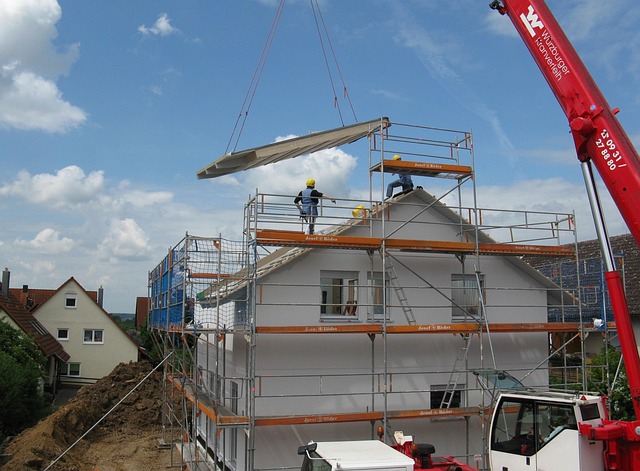
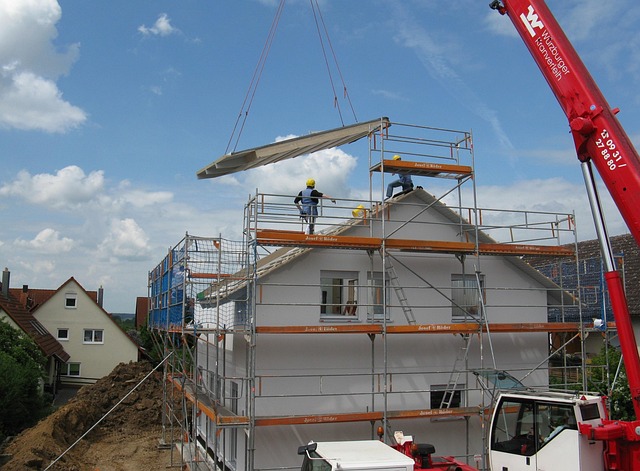
Image: 2211438 on Pixabay
This article is general information, not legal or immigration advice. Rules change, so always confirm current requirements with the official government source or a licensed professional.