How to Highlight Transferable Skills for International Jobs
Changing industries while moving abroad might sound like a double challenge, but transferable skills make it possible. Employers hiring internationally often value adaptability and core competencies over narrow industry experience. Your ability to communicate, solve problems, manage projects or lead teams matters just as much in a new country and a new sector.
This guide shows you how to identify which of your skills travel well across borders and industries, then how to present them so hiring managers see your potential. Whether you are moving from hospitality to tech support or from teaching to corporate training, the right approach helps you stand out.
Understand what transferable skills are
Transferable skills are abilities you have developed in one role or industry that apply to another. Unlike technical skills tied to specific tools or processes, these competencies work across contexts. Communication, leadership, time management, problem-solving and customer service are classic examples.
When you apply for international jobs in a different field, employers look for evidence that you can adapt quickly. They want to know you can handle the core responsibilities even if the product, service or market is new to you. Transferable skills prove that capacity.
Start by listing every responsibility you have held in previous roles. Then ask yourself which tasks required skills that any employer would value. Did you train colleagues? That is teaching and mentoring. Did you manage budgets or schedules? That is planning and resource management. Write these down as a foundation for your resume.
Match your skills to the target role
Read the job description carefully and highlight the skills the employer emphasizes. Look beyond the technical requirements and note the soft skills or general competencies mentioned. If the posting asks for someone who can work under pressure, manage stakeholders or deliver results independently, those are your cues.
Next, map your own experience to each requirement. For every skill the employer wants, write a short example from your past work that demonstrates it. Use the STAR method if it helps: describe the situation, the task you faced, the action you took and the result you achieved.
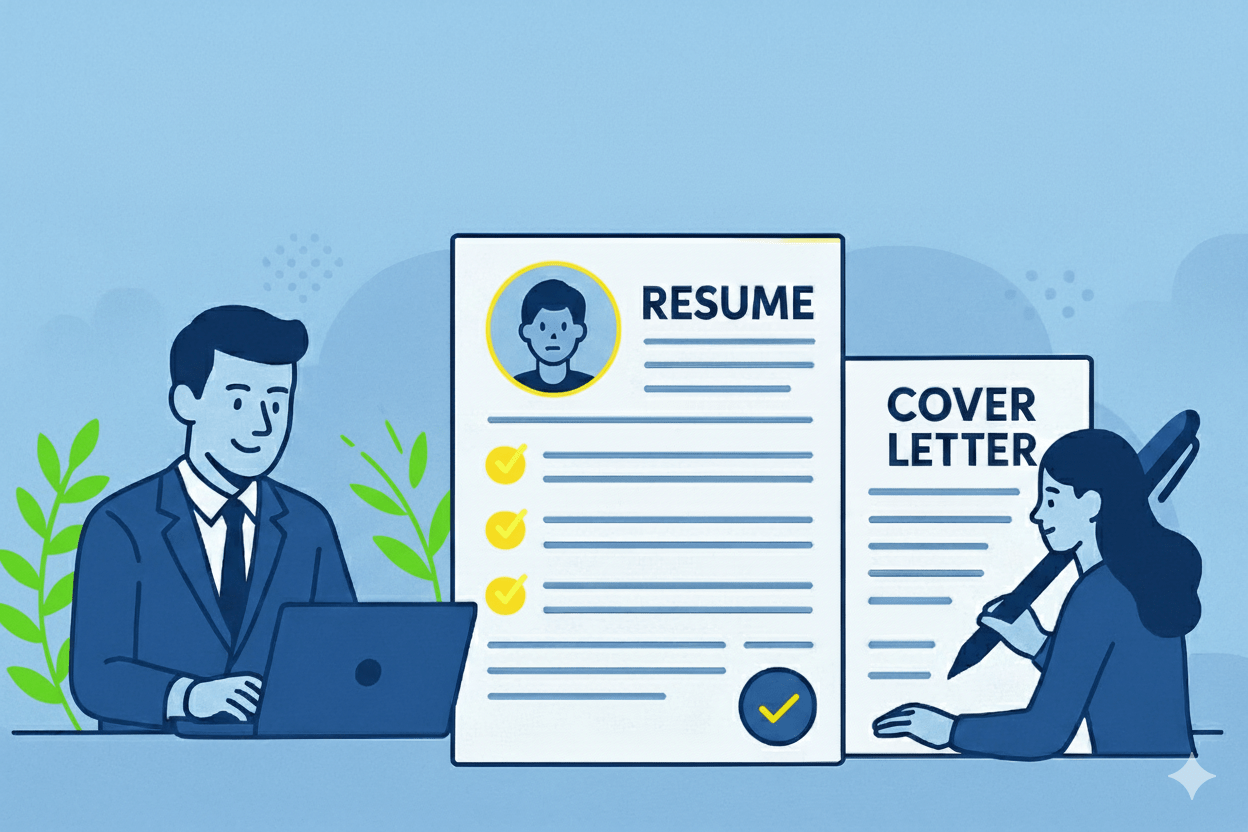
This matching exercise makes your resume and cover letter more targeted. Instead of listing generic skills, you show exactly how your background fits the role, even if your previous industry was different. Employers hiring internationally appreciate clarity and relevance.
Rewrite your resume with a skills-first approach
A traditional chronological resume lists jobs and duties. When you are changing industries, a skills-based or hybrid format works better. Start with a strong summary that highlights your transferable skills and your motivation to work abroad in the new field.
Create a section near the top called Skills or Core Competencies. Group your transferable skills into categories such as communication, project management, leadership or customer relations. Under each category, add a brief example or achievement that proves the skill.
In your work experience section, reframe your bullet points to emphasize outcomes and skills rather than industry jargon. Instead of writing “managed restaurant operations,” write “coordinated teams and schedules to meet daily targets under tight deadlines.” The second version highlights planning and leadership, which matter in many industries.
Use concrete examples and metrics
Employers want evidence, not claims. Saying you have strong communication skills means little unless you show how you used them. Did you present to senior management? Did you resolve customer complaints and improve satisfaction? Did you write reports or training materials?
Wherever possible, add results to your examples. Instead of “improved team performance,” write “coached a team that increased output and reduced errors.” Avoid inventing numbers, but do describe the impact of your work in clear terms.
This approach works especially well in cover letters. Choose one or two transferable skills that match the job closely, then tell a short story about how you applied them. This makes your application memorable and helps the hiring manager picture you in the role.
Address the industry change directly
Do not hide the fact that you are switching industries. Instead, explain it as a deliberate choice driven by your strengths and interests. In your cover letter or personal statement, briefly say why you are making the move and how your skills prepare you for it.
For example, you might write that your experience managing customer relationships in retail has given you the communication and problem-solving skills needed for a client support role in tech. Or that your background in event planning has taught you project management and attention to detail, which you want to apply in a new market.
Employers hiring internationally often seek candidates who are motivated and adaptable. Showing that you have thought through the transition and can articulate your value reassures them that you are serious and capable.
Prepare to discuss your skills in interviews
Interviews for international jobs often happen by video, so practice speaking clearly about your transferable skills. Expect questions like “Why are you changing industries?” or “How will your previous experience help you in this role?” Prepare short, confident answers that connect your past work to the new opportunity.
Use the examples you prepared earlier. Walk the interviewer through a specific situation where you demonstrated a key skill, then explain how that skill applies to the job you want. Keep your answers focused and relevant.
If the interviewer raises concerns about your lack of direct industry experience, acknowledge it honestly and pivot to your strengths. Emphasize your ability to learn quickly, your motivation to grow in the new field and the transferable skills you bring. Confidence and clarity matter more than a perfect background.
Highlight cultural adaptability and language skills
Working abroad adds another layer to the skills you offer. If you have lived, studied or worked in different countries, mention it. Cultural adaptability, language skills and the ability to work in diverse teams are highly valued by international employers.
Even if you have not worked abroad before, you can highlight experiences that show openness and flexibility. Have you collaborated with international colleagues remotely? Have you learned a new language or adapted to a new environment quickly in the past? These examples reinforce your readiness for an international role.
Language skills deserve a dedicated section on your resume if they are relevant to the job or country. Be honest about your level, and if you are learning the local language, say so. Employers appreciate candidates who make the effort to integrate.
Key takeaways
- Transferable skills like communication, problem-solving and leadership apply across industries and borders.
- Match your skills to the job description and use specific examples to prove your competence.
- Rewrite your resume to emphasize skills and outcomes rather than industry-specific duties.
- Address your industry change directly and explain how your background prepares you for the new role.
- Prepare clear interview answers that connect your past experience to the job you want.
- Highlight cultural adaptability and language skills to strengthen your international profile.
Switching industries while moving abroad is a bold step, but your transferable skills give you a solid foundation. With a targeted resume, clear examples and confident communication, you can show employers that you are ready to contribute from day one. Browse verified visa-sponsored opportunities across industries and countries on Abroadium and take the next step in your international career.
Image: USA-Reiseblogger on Pixabay
This article is general information, not legal or immigration advice. Rules change, so always confirm current requirements with the official government source or a licensed professional.