Germany IT Jobs 2026: How to Land a Tech Role Without Speaking German
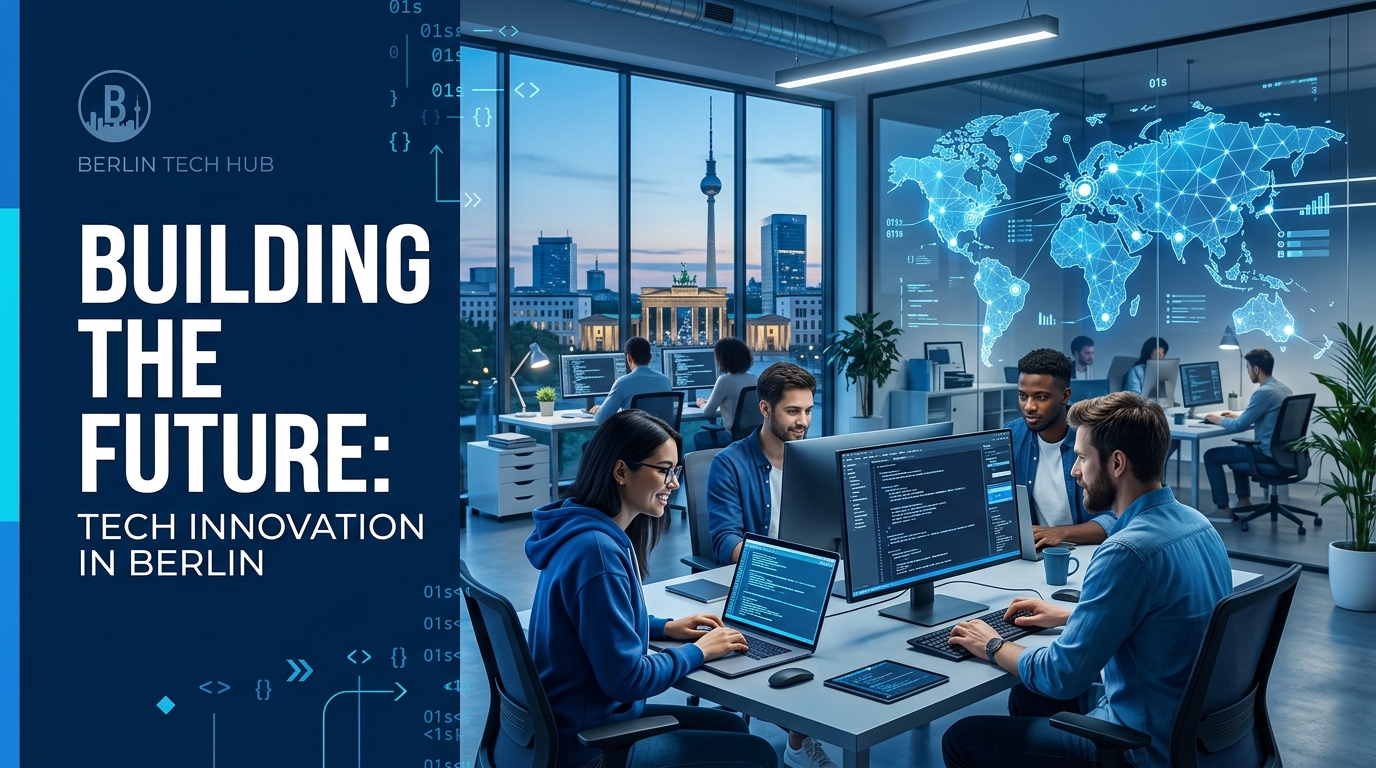
Germany’s technology sector continues to experience robust growth heading into 2026, creating exceptional opportunities for international IT professionals. If you’re considering Germany IT jobs 2026 but worry about language barriers, this guide provides practical pathways to secure tech positions without fluent German skills. The German tech ecosystem increasingly operates in English, particularly in major hubs where international talent drives innovation and competitiveness.
Understanding the landscape of English-friendly tech roles, visa pathways, salary expectations, and employer preferences will significantly improve your chances of successfully relocating to Germany for a technology career.
Key Concepts Overview: Germany IT Jobs 2026
Germany’s digital economy ranks among Europe’s largest, with significant investment in software development, artificial intelligence, fintech, e-commerce, and enterprise technology solutions. The demand for skilled IT professionals consistently outpaces domestic supply, creating favorable conditions for international candidates.
English has become the working language in many German tech companies, especially those with international ambitions or diverse teams. Research indicates that approximately 30-40% of tech job postings in major German cities are advertised in English or explicitly state that German language skills are not required. This percentage increases significantly in Berlin, Munich’s international startups, and Hamburg’s digital sector.
The EU Blue Card provides a streamlined immigration pathway specifically designed for highly skilled workers, including IT specialists. This visa allows qualified tech professionals to work in Germany with their families and offers a fast track to permanent residency.
Key advantages for IT professionals targeting Germany include competitive salaries compared to other European markets, strong workers’ rights and employment protections, excellent infrastructure, and central European location enabling easy travel across the continent.
English-Friendly Tech Employers in Germany
Several categories of employers operate predominantly or extensively in English within Germany’s tech sector.
International Tech Giants
Global technology companies with German offices typically use English as their primary working language. These include major cloud providers, enterprise software firms, and digital platforms that maintain engineering teams in Germany to serve European markets.
SAP, Germany’s largest software company, employs thousands of engineers across multiple German locations. While some positions require German, many technical roles operate entirely in English, particularly in product development, cloud engineering, and international project teams.
Fast-Growing Startups and Scale-ups
Berlin’s startup ecosystem has produced numerous internationally-focused companies where English dominates daily operations. Zalando, Europe’s leading online fashion platform, employs hundreds of software engineers, data scientists, and product managers in predominantly English-speaking teams. N26, the digital banking pioneer, builds its technology infrastructure with international teams working primarily in English.
Delivery Hero, the global food delivery company headquartered in Berlin, operates technology teams supporting markets worldwide, with English as the standard working language. These companies actively recruit internationally and provide relocation support for foreign hires.
Fintech and Digital Banking
Germany’s financial technology sector has experienced remarkable growth, with companies like SolarisBank, Trade Republic, and Raisin building engineering teams that work predominantly in English to support pan-European operations.
International Consulting and Services Firms
Major consulting firms and technology service providers maintain significant German operations with English-language working environments, especially in client-facing roles serving multinational corporations.
Step-by-Step Process for Securing Germany IT Jobs 2026
Step 1: Identify Your Target Role and Location
Research which German cities offer the strongest opportunities in your specialization. Berlin leads in startup culture, fintech, and e-commerce technology. Munich excels in automotive technology, enterprise software, and AI research. Hamburg offers strong opportunities in e-commerce, logistics technology, and digital media. Frankfurt focuses on fintech and financial services technology. Cologne and Düsseldorf provide emerging tech scenes with lower living costs than Berlin or Munich.
Step 2: Build Your Application Materials
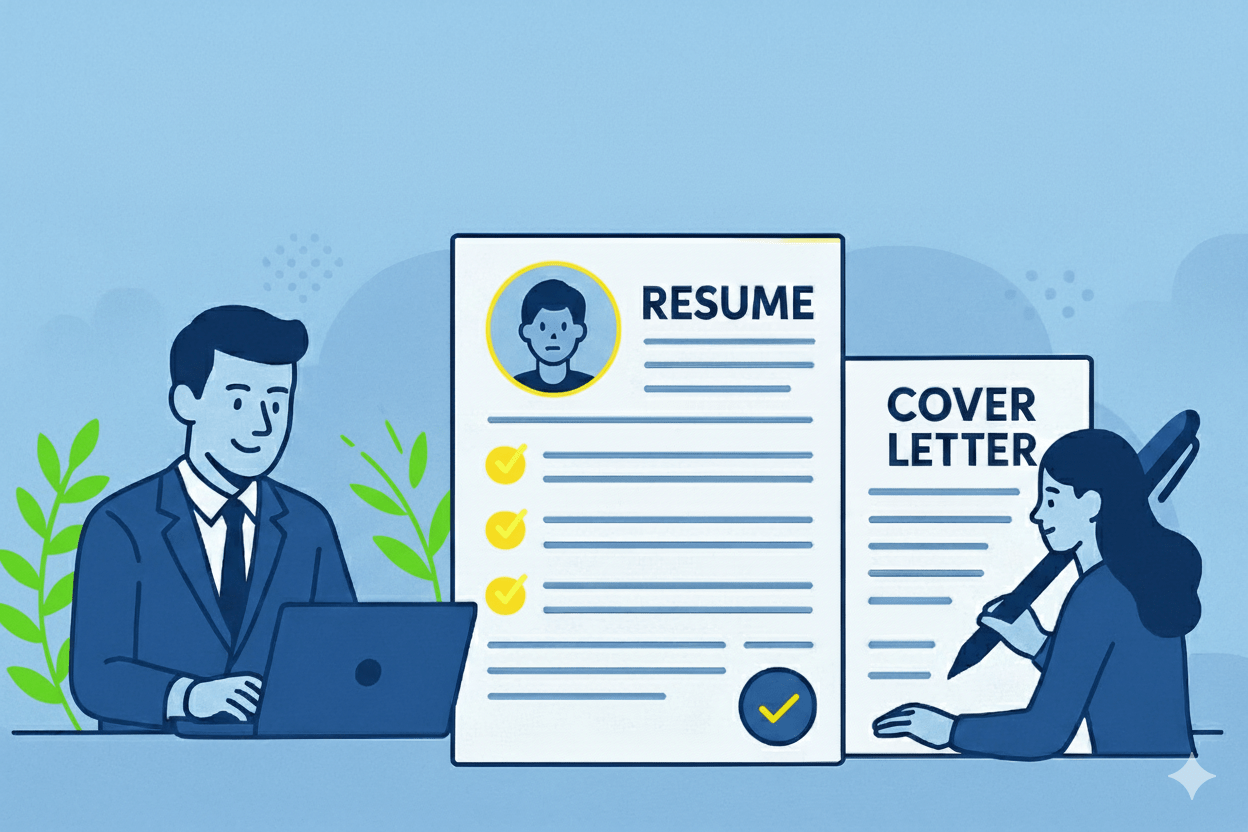
German employers expect structured CV formats, typically including a professional photo, detailed work history, and education credentials. Prepare a clear, concise CV highlighting relevant technical skills, programming languages, frameworks, and project achievements. Write targeted cover letters for each application explaining your interest in the specific company and role.
Step 3: Target English-Friendly Job Boards
Use platforms where English-language tech jobs are concentrated. LinkedIn remains highly effective for German tech roles, with many recruiters actively sourcing international candidates. Stack Overflow Jobs, GitHub Jobs, and AngelList feature numerous English-language positions. Germany-specific platforms like Honeypot and WeAreDevelopers explicitly connect international developers with German employers.
Step 4: Network Within German Tech Communities
Attend virtual or in-person tech meetups, conferences, and community events. Berlin, Munich, and Hamburg host numerous English-language tech events where you can connect with potential employers and fellow international professionals already working in Germany.
Step 5: Navigate the Interview Process
German tech interviews typically include multiple rounds: initial recruiter screening, technical assessment or coding challenge, technical interview with engineering team, and final interview with hiring manager or department head. Prepare for practical coding exercises and system design discussions. International candidates often complete initial rounds remotely before traveling for final interviews.
Step 6: Negotiate Your Offer
Once you receive an offer, understand that German employment contracts are comprehensive documents outlining salary, vacation days, notice periods, and benefits. Negotiate thoughtfully, knowing that German companies typically offer structured compensation packages with less variability than US tech companies.
Step 7: Apply for Your Work Visa
With a confirmed job offer, begin the visa application process through the German embassy or consulate in your home country. The EU Blue Card provides the most straightforward pathway for qualified IT professionals.
Eligibility Requirements for IT Professionals
EU Blue Card Standard Requirements
The EU Blue Card offers the primary pathway for non-EU IT professionals. Standard eligibility includes a recognized university degree (bachelor’s or higher) in a relevant field and a binding job offer or employment contract with a minimum salary threshold that adjusts annually based on German average wages.
For 2026, verify current salary thresholds through official German immigration resources, as these figures change yearly. Generally, IT professionals qualify at the standard threshold rather than the reduced threshold applicable to shortage occupations.
Alternative Pathway Without a Degree
IT specialists without formal university degrees may still qualify for German work authorization if they demonstrate at least three years of relevant professional experience in comparable positions and meet the salary threshold. This pathway recognizes that software engineering and technology roles often value practical skills and experience over formal credentials.
You must provide detailed documentation of your work history, responsibilities, and technical achievements. Employers may need to provide additional justification explaining why your experience qualifies you for the specialized role.
Other Qualifying Pathways
Professionals with vocational qualifications recognized as equivalent to German standards may qualify through different channels. Recent graduates from German universities can use job-seeking visas to find employment, then transition to work authorization.
Documents Required for Application
Prepare comprehensive documentation before beginning your visa application process.
- Valid passport with sufficient validity extending beyond your planned stay
- Completed visa application forms specific to your visa type
- Recent biometric passport photographs meeting German specifications
- Employment contract or binding job offer from German employer detailing position, salary, and start date
- University degree certificates and transcripts, officially translated into German or English if issued in other languages
- Recognition of foreign qualifications if applicable, obtained through appropriate German recognition bodies
- Detailed CV documenting your complete work history and qualifications
- Proof of health insurance coverage valid in Germany or confirmation of enrollment once arriving
- Evidence of accommodation in Germany or confirmation from employer regarding relocation assistance
- Professional references or recommendation letters supporting your qualifications
For the experience-based pathway without a degree, include employment certificates from previous employers detailing your roles, responsibilities, duration, and technical achievements. Portfolio materials, GitHub repositories, or documentation of significant projects may strengthen your application.
Salary Expectations for Germany IT Jobs 2026
German tech salaries vary significantly based on role, experience level, company size, and location. Berlin generally offers lower salaries than Munich or Frankfurt but also has lower living costs. Large corporations and international tech companies typically pay more than startups, though startups may offer equity compensation.
Salary Ranges by Role
The following represents general annual gross salary ranges for mid-level professionals with 3-5 years of experience. Entry-level positions typically start 20-30% lower, while senior roles with 7+ years experience command 30-50% premiums.
| Role | Typical Salary Range (EUR/year) | Notes |
|---|---|---|
| Frontend Developer | 50,000 – 70,000 | React, Vue, Angular specialists in demand |
| Backend Developer | 55,000 – 75,000 | Java, Python, Go expertise valued |
| Full-Stack Developer | 55,000 – 75,000 | Modern framework experience increases value |
| DevOps Engineer | 60,000 – 80,000 | Cloud platforms and automation skills premium |
| Data Engineer | 60,000 – 85,000 | Big data and ML pipeline experience valued |
| Data Scientist | 60,000 – 85,000 | Advanced degree often expected |
| Mobile Developer | 55,000 – 75,000 | iOS/Android native or cross-platform |
| Engineering Manager | 75,000 – 100,000+ | Leadership experience and technical depth required |
These figures represent gross annual salaries before German income tax and social contributions, which are substantial. Expect net take-home pay of approximately 55-65% of gross salary depending on your tax class, with higher earners paying proportionally more.
Additional Compensation Elements
German employment packages typically include 25-30 vacation days annually, comprehensive health insurance contributions from employer, pension contributions, and sometimes benefits like transportation subsidies, meal vouchers, or professional development budgets. Equity compensation is less common than in US tech markets but appears more frequently in startups and scale-ups.
Top Tech Cities Beyond Berlin
While Berlin dominates discussions of German tech opportunities, several other cities offer compelling advantages for international IT professionals.
Munich
Germany’s second-largest tech hub combines traditional automotive engineering with cutting-edge autonomous driving research, enterprise software, and deep tech startups. Companies like BMW, Siemens, and numerous well-funded startups create strong demand for software engineers, data scientists, and AI specialists. Munich offers higher average salaries than Berlin but also significantly higher living costs, particularly housing.
Hamburg
Northern Germany’s largest city excels in e-commerce, logistics technology, digital media, and gaming. Companies like About You, Statista, and numerous digital agencies maintain significant engineering teams. Hamburg provides excellent quality of life with slightly lower costs than Munich and a thriving international community.
Frankfurt
As Germany’s financial capital, Frankfurt offers exceptional opportunities in fintech, financial services technology, and enterprise software serving banking and finance sectors. The presence of the European Central Bank and major international banks creates consistent demand for cybersecurity specialists, backend developers, and data engineers.
Cologne and Düsseldorf
These neighboring cities in North Rhine-Westphalia host growing tech scenes with particular strength in digital media, e-commerce, and telecommunications technology. Living costs remain notably lower than Berlin or Munich while still offering international environments and good quality of life.
Stuttgart and Karlsruhe
Southern Germany’s automotive and engineering heartland increasingly focuses on automotive technology, embedded systems, and industrial software. These cities offer opportunities for developers interested in automotive tech, IoT, and advanced manufacturing technology.
Common Mistakes to Avoid
Assuming All German Tech Jobs Require Fluent German
Many international candidates prematurely dismiss German opportunities believing language barriers are insurmountable. While German skills certainly expand your options, numerous companies operate successfully in English. Focus on companies with international teams and product markets rather than assuming language will prevent your application.
Underestimating Visa Processing Times
German visa processing varies significantly by country and time of year. Begin the process immediately after securing a job offer and maintain regular communication with the embassy. Some candidates have experienced processing times of several months, potentially delaying start dates.
Neglecting Credential Recognition
If pursuing the experience-based pathway without a degree, thoroughly document your work history and prepare detailed evidence of your qualifications. Generic employment letters may not suffice; obtain specific documentation of your technical responsibilities and achievements.
Focusing Exclusively on Berlin
Berlin’s popularity creates intense competition for positions and housing. Exploring opportunities in Munich, Hamburg, Frankfurt, or smaller tech hubs may provide faster job search success, better compensation relative to living costs, and less competitive housing markets.
Ignoring Tax and Cost of Living Implications
German gross salaries initially appear lower than US tech salaries, but comprehensive social benefits, healthcare, vacation time, and work-life balance partially offset this difference. Calculate net take-home pay and research actual living costs in your target city before comparing offers.
Inadequate Cultural Preparation
German workplace culture values directness, structured communication, clear processes, and work-life boundaries. International professionals sometimes misinterpret direct feedback as rudeness or find the formal communication style challenging. Research cultural norms and prepare for different workplace expectations.
Comparison: German Tech Hubs for International IT Professionals
| City | Primary Tech Strengths | English-Language Environment | Relative Cost of Living | Best For |
|---|---|---|---|---|
| Berlin | Startups, fintech, e-commerce, diverse tech | Excellent | Moderate to high | International lifestyle, startup culture |
| Munich | Automotive tech, enterprise software, AI | Good | Very high | High salaries, traditional companies |
| Hamburg | E-commerce, logistics tech, digital media | Good | Moderate to high | Quality of life, balanced lifestyle |
| Frankfurt | Fintech, financial services technology | Excellent | High | Finance-adjacent tech roles |
| Cologne/Düsseldorf | Digital media, telecommunications | Moderate | Moderate | Lower costs, emerging opportunities |
Frequently Asked Questions
Can I really work in Germany IT jobs 2026 without speaking German?
Yes, many IT professionals work successfully in Germany without fluent German, particularly in international companies, startups, and major tech hubs. Approximately 30-40% of tech job postings in cities like Berlin explicitly welcome English-only candidates. However, learning German significantly expands your opportunities, aids daily life integration, and demonstrates commitment to your new home. Many international professionals begin with English-language roles while gradually learning German through courses or language exchange programs.
How does the EU Blue Card work for IT professionals without a university degree?
Germany allows IT specialists without formal degrees to qualify for work authorization if they demonstrate at least three years of comparable professional experience and meet the minimum salary threshold. You must provide detailed documentation of your work history, technical responsibilities, and achievements. Your employer may need to justify why your experience qualifies you for the specialized position. This pathway recognizes that software engineering values practical skills, though having a degree simplifies the process significantly.
What salary should I expect as a software engineer in Germany compared to the United States?
German tech salaries are generally lower than comparable US positions, particularly compared to major US tech hubs. A mid-level software engineer in Germany might earn 55,000-75,000 EUR gross annually, compared to 100,000-150,000 USD in US markets. However, direct comparison is misleading because German compensation includes comprehensive health insurance, 25-30 vacation days, strong employment protections, parental leave, and other benefits that US professionals often pay for separately. Additionally, living costs in most German cities are lower than San Francisco, New York, or Seattle.
Which German tech companies are most welcoming to international candidates?
Companies with international business models and diverse teams most actively recruit foreign talent. These include Zalando, N26, Delivery Hero, SoundCloud, and Auto1 Group in Berlin; FlixBus and various automotive tech companies in Munich; AboutYou in Hamburg; and numerous fintech companies in Frankfurt. International tech giants with German offices like Amazon, Google, Microsoft, and various enterprise software companies also maintain English-language working environments. Research company reviews on platforms like Glassdoor to understand workplace culture and international employee experiences.
How long does the EU Blue Card application process take?
Processing times vary significantly by your home country and the specific German embassy or consulate handling your application. Some applicants receive approval within 4-8 weeks, while others wait several months. German embassies in countries with high application volumes or limited staff may experience longer processing times. Begin the application immediately after receiving your job offer, ensure all documentation is complete and accurate, and maintain communication with your prospective employer about potential start date flexibility. Your employer may be able to provide support or expedite certain aspects of the process.
Final Thoughts
Germany IT jobs 2026 represent compelling opportunities for international tech professionals seeking European career experiences. The combination of strong demand for technical talent, structured immigration pathways like the EU Blue Card, and increasingly English-friendly work environments creates realistic pathways for qualified candidates.
Success requires strategic targeting of appropriate employers, thorough preparation of application materials and visa documentation, and realistic expectations about compensation and cultural differences. The language barrier, while real, is increasingly manageable in major tech hubs and international companies.
Consider Germany not only for immediate career opportunities but also as a gateway to broader European experiences, with the EU Blue Card eventually enabling movement across European markets and providing a pathway to permanent residency.
As immigration policies, salary thresholds, and market conditions evolve, verify specific requirements through official German government resources and consult with immigration professionals when necessary to ensure your application meets current standards.
Related Resources
- Explore visa sponsorship opportunities in other countries.
- Learn how to optimize your resume for international employers.
- Compare salaries and cost of living across global destinations.
- Discover country-specific job search and relocation guides.
Next Steps
If you are considering working abroad, begin by researching visa requirements, assessing your eligibility, and preparing your application documents carefully. Immigration policies, salary requirements, and eligibility criteria may change over time, so always verify information through official government sources.
Abroadium helps professionals explore international career opportunities, understand global hiring trends, discover visa sponsorship pathways, and make informed relocation decisions through practical career resources and expert guidance.