Evolution of AI Resume Builders
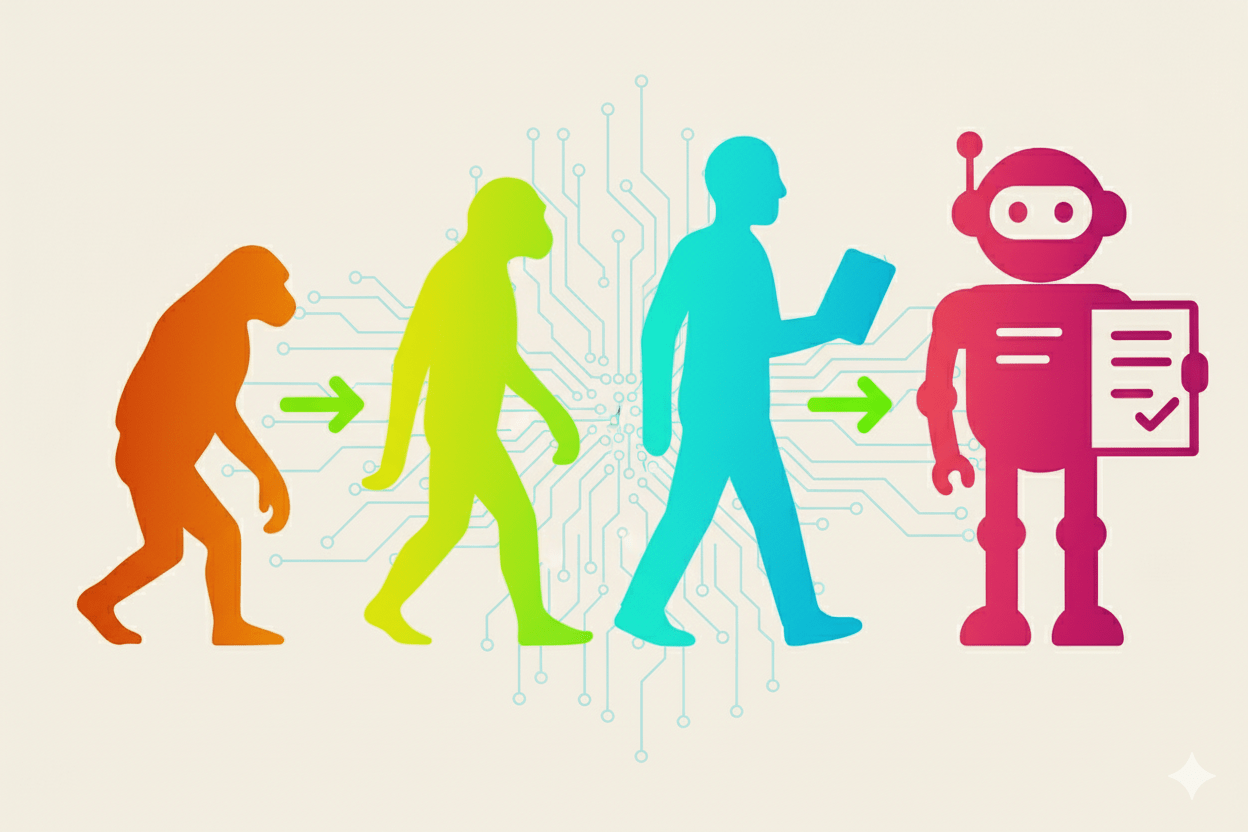
The Evolution of AI Resume Builders: What’s Next on the Horizon?
Introduction
In recent years, the advent of Artificial Intelligence (AI) has revolutionized various industries, and Human Resources (HR) is no exception. Among the myriad of applications of AI in HR, AI-driven resume builders have emerged as a game-changer. These tools leverage machine learning algorithms and natural language processing (NLP) to assist job seekers in crafting resumes that stand out in an increasingly competitive job market. This blog delves into the evolution of AI resume builders, examines current trends, provides statistical insights, and explores what the future holds for this innovative technology.
The Early Days of Resume Builders
Before the introduction of AI, resume builders were relatively simple, often template-based tools that provided basic formatting assistance. These early tools helped users organize their work history, skills, and education into pre-designed templates. However, they lacked the sophistication to tailor resumes to specific job descriptions or industries. The process was largely manual, requiring users to input all the information and make subjective decisions about content and formatting.
The Advent of AI in Resume Building
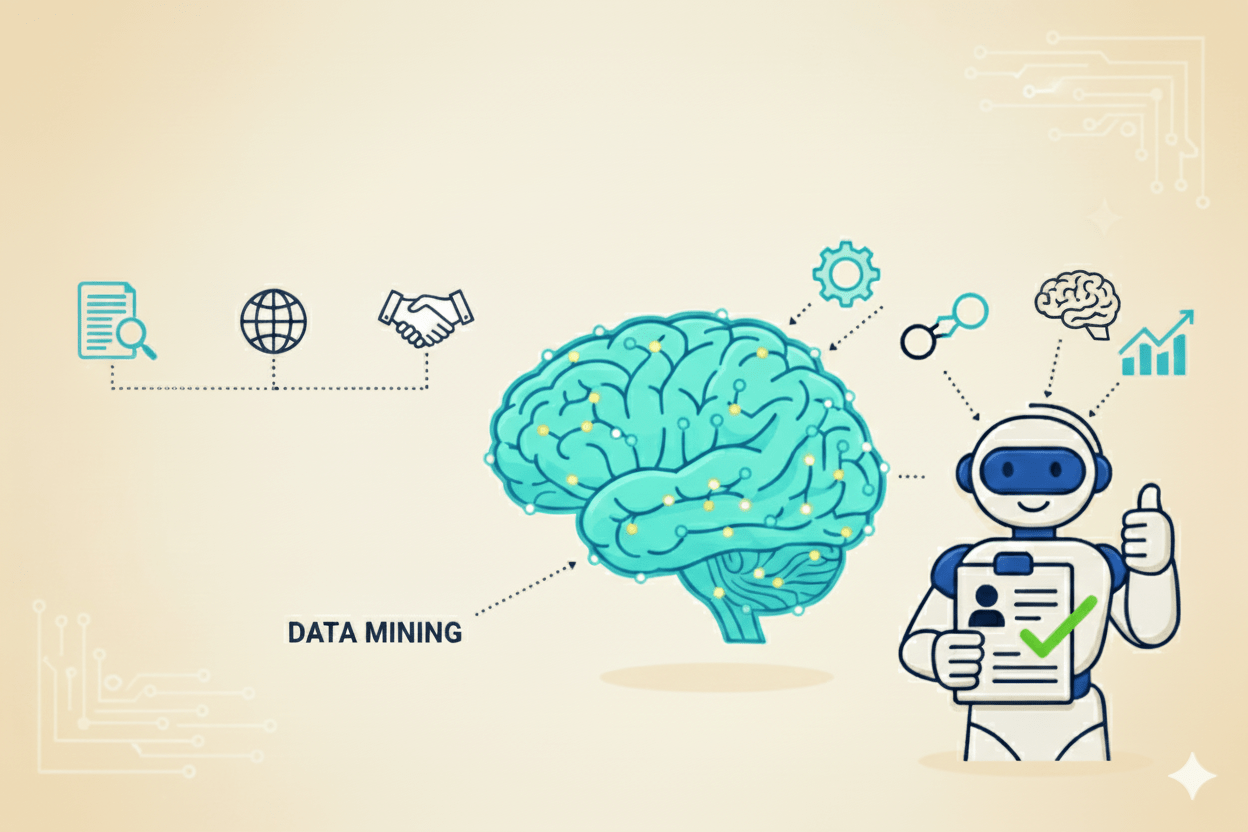
The integration of AI into resume builders marked a significant shift. AI technologies, particularly machine learning and NLP, enabled these tools to analyze vast amounts of data, understand the intricacies of job descriptions, and provide personalized recommendations. Here’s how AI-enhanced resume builders evolved:
1. Personalization and Tailoring
Modern AI resume builders can parse job descriptions and tailor resumes to match the requirements. By analyzing keywords and phrases commonly used in job postings, these tools help users align their resumes with what employers are looking for. This increases the chances of passing through Applicant Tracking Systems (ATS) and catching the attention of hiring managers.
2. Content Optimization
AI resume builders utilize NLP to suggest improvements in language, tone, and style. They can identify overused phrases, suggest action-oriented verbs, and recommend more concise ways to present information. This results in a polished, professional document that highlights the candidate’s strengths.
3. Skill Matching
One of the significant advancements in AI resume builders is their ability to identify relevant skills based on job descriptions and user input. These tools can suggest additional skills that might be pertinent, ensuring the resume fully represents the candidate’s capabilities.
4. Real-Time Feedback
AI-driven platforms provide real-time feedback, allowing users to see the impact of changes immediately. This interactive approach helps users understand how different modifications can enhance their resumes’ effectiveness.
Statistical Insights into AI Resume Builders
To understand the impact and adoption of AI resume builders, let’s look at some key statistics:
- Adoption Rates: According to a survey by Jobscan, approximately 65% of job seekers have used an AI resume builder at some point during their job search. This high adoption rate underscores the growing reliance on these tools.
- Effectiveness: A study by TopResume revealed that candidates using AI-enhanced resumes were 30% more likely to secure an interview compared to those using traditional resumes. This indicates the significant advantage provided by AI in making resumes more appealing to recruiters.
- User Satisfaction: According to a survey conducted by ResumeGo, 88% of users reported being satisfied with the resumes generated by AI tools, citing improved clarity, structure, and overall presentation as key benefits.
- Time Savings: On average, AI resume builders reduce the time required to create a professional resume by 50%, from several hours to just under an hour, as reported by ResumeGenius.
Case Studies: Real-World Applications
Case Study 1: Enhancv
Company: Enhancv
Industry: Resume Building
Challenge: Enhancv aimed to improve user engagement and success rates by leveraging AI to create more effective resumes.
Solution: Enhancv integrated AI to analyze job descriptions and user input, providing personalized suggestions for content and formatting. The AI also offered real-time feedback, helping users optimize their resumes iteratively.
Results: Enhancv reported a 40% increase in user engagement and a 25% higher success rate in securing interviews for their users. This demonstrates the tangible benefits of AI in enhancing resume quality and relevance.
Case Study 2: Zety
Company: Zety
Industry: Resume Building
Challenge: Zety wanted to streamline the resume creation process and improve user satisfaction by offering more tailored resume advice.
Solution: Zety implemented an AI-driven engine that scanned job descriptions to highlight key skills and qualifications. The AI also provided grammar and style suggestions to improve the overall presentation of resumes.
Results: Zety users reported a 30% reduction in the time taken to create a resume and a 20% increase in job interview invitations. This highlights the efficiency gains and improved outcomes resulting from AI integration.
Current Trends in AI Resume Builders
1. Advanced NLP and Contextual Understanding
Modern AI resume builders are leveraging advanced NLP algorithms to better understand context. This means they can interpret the nuances of job descriptions and provide more relevant suggestions. For example, instead of simply matching keywords, these tools can understand the context in which skills are required and suggest appropriate modifications.
2. Integration with LinkedIn and Other Platforms
Integration with professional networking sites like LinkedIn allows AI resume builders to pull in data seamlessly, reducing manual input and ensuring consistency across profiles. This integration also helps in auto-updating resumes with the latest job experiences and skills.
3. Enhanced Customization Options
Today’s AI resume builders offer more customization options, allowing users to choose from a variety of templates and styles while still receiving AI-driven content suggestions. This flexibility ensures that the resumes not only meet technical requirements but also reflect the personal brand of the candidate.
4. AI-Powered Cover Letter Builders
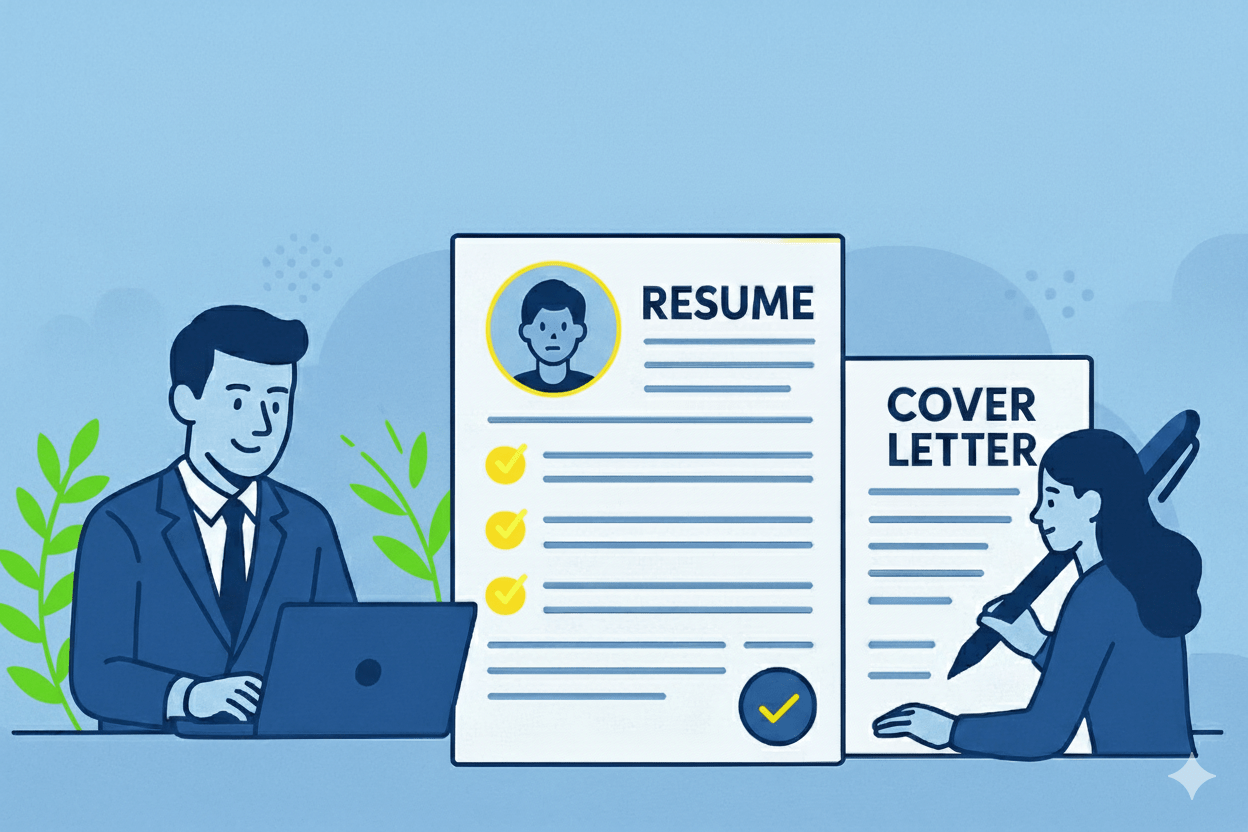
In addition to resumes, AI is now being used to create cover letters. By analyzing job descriptions and user profiles, AI tools can generate personalized cover letters that complement the resume and enhance the overall application.
5. Mobile Optimization
With the increasing use of mobile devices for job searches, AI resume builders are optimizing their platforms for mobile use. This ensures that users can create, edit, and submit resumes on-the-go, providing greater convenience and flexibility.
Future Prospects of AI Resume Builders
The future of AI resume builders looks promising, with several exciting developments on the horizon:
1. Hyper-Personalization with AI and Big Data
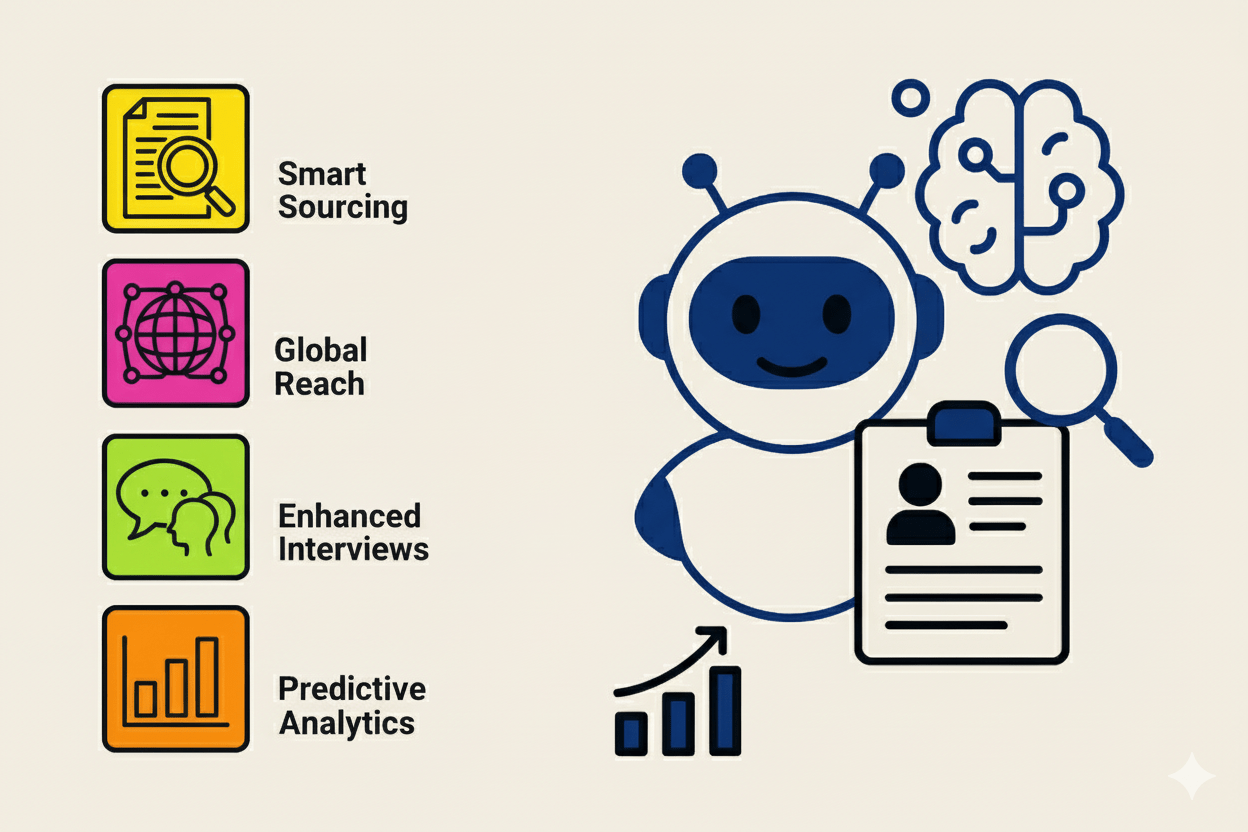
As AI technologies continue to evolve, the next generation of resume builders will likely offer hyper-personalization. By leveraging big data, these tools can provide even more tailored suggestions based on industry trends, company-specific requirements, and individual user profiles. This will help candidates create resumes that are not only effective but also unique to their career paths.
2. Predictive Analytics for Career Path Guidance
Future AI resume builders may incorporate predictive analytics to offer career path guidance. By analyzing historical data and current trends, these tools can suggest potential career trajectories and recommend skills or experiences to pursue. This can be particularly valuable for job seekers looking to make informed decisions about their career development.
3. Integration with Virtual Career Coaches
The integration of AI resume builders with virtual career coaches can provide comprehensive career support. These virtual coaches can offer personalized advice, help with interview preparation, and even provide ongoing career development tips. This holistic approach can significantly enhance the job-seeking experience.
4. Voice and Chatbot Interactions
Voice recognition and chatbot technologies are likely to become integral to AI resume builders. This will enable users to interact with the tools using natural language, making the resume-building process more intuitive and accessible. For example, users could ask a chatbot for tips on improving specific sections of their resume or use voice commands to make edits.
5. Enhanced ATS Compatibility
As Applicant Tracking Systems (ATS) continue to evolve, AI resume builders will also need to adapt. Future tools will likely offer enhanced compatibility with ATS, ensuring that resumes are not only optimized for human readers but also for machine processing. This includes formatting, keyword optimization, and compliance with various ATS standards.
6. Ethical AI and Bias Reduction
Addressing biases in AI algorithms is a critical area of focus. Future AI resume builders will incorporate more sophisticated mechanisms to identify and mitigate biases, ensuring fair and unbiased recommendations. This is essential for promoting diversity and inclusion in the hiring process.
Challenges and Considerations
Despite the advancements and promising prospects, there are several challenges and considerations that need to be addressed:
1. Data Privacy and Security
With the increasing reliance on AI resume builders, ensuring data privacy and security is paramount. Users need to trust that their personal information is handled securely and not misused. Companies must implement robust data protection measures and be transparent about their data usage policies.
2. Avoiding Over-Reliance on AI
While AI resume builders offer significant advantages, there is a risk of over-reliance. Job seekers should use these tools as aids, not crutches. Human judgment and personal touch are still crucial in crafting a resume that authentically represents an individual’s skills and experiences.
3. Continuous Improvement and Adaptation
The job market is dynamic, with trends and requirements constantly evolving. AI resume builders must continuously improve and adapt to these changes. This requires ongoing research, user feedback, and updates to ensure the tools remain relevant and effective.
Conclusion
The evolution of AI resume builders has transformed the job-seeking landscape, offering powerful tools to create compelling resumes that stand out in a competitive market. From early template-based tools to sophisticated AI-driven platforms, the journey has been marked by significant advancements in personalization, optimization, and user experience.
Looking ahead, the future of AI resume builders is filled with exciting possibilities. Hyper-personalization, predictive analytics, and integration with virtual career coaches are just a few of the innovations on the horizon. However, it is essential to address challenges related to data privacy, avoid over-reliance
on AI, and ensure continuous improvement to keep pace with the evolving job market.
By leveraging the power of AI while maintaining a human touch, job seekers can enhance their resumes and improve their chances of landing their dream jobs. As technology continues to advance, AI resume builders will undoubtedly play an increasingly pivotal role in shaping the future of job applications and career development.
References
- Jobscan. (2021). Survey: The Adoption and Effectiveness of AI Resume Builders. Retrieved from Jobscan.
- TopResume. (2020). AI vs. Human-Enhanced Resumes: A Comparative Study. Retrieved from TopResume.
- ResumeGo. (2021). User Satisfaction with AI Resume Builders. Retrieved from ResumeGo.
- ResumeGenius. (2021). Time Efficiency of AI-Powered Resume Builders. Retrieved from ResumeGenius.
- Enhancv. (2022). Case Study: Enhancv’s AI Integration. Retrieved from Enhancv.
- Zety. (2022). Case Study: Improving Resume Creation with AI. Retrieved from Zety.
By considering these references and insights, we can better understand the current landscape and future potential of AI resume builders in the ever-evolving job market.